Why a Balcony Leaks and How to Fix It
December 11, 2020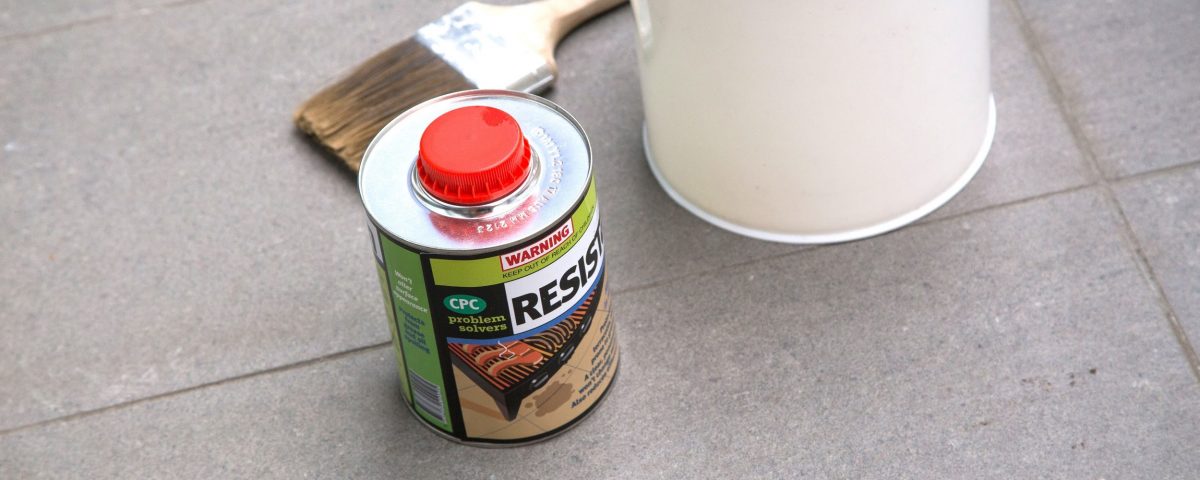
We demonstrate how to fix your leaking balcony without removing the tiles. Using quality waterproofing products and everyday equipment, leaking balcony repair is a DIY task. Read on.
Introduction
When you have the right masonry sealer, balcony waterproofing is a simple job that you can do DIY.
In fact, this method is:
- Very reliable; it lasts 10 years minimum and protects the balcony surface
- Highly cost-effective; it does not remove the tiles or membrane, and therefore saves on labour costs through simple application method
- Carried out with basic equipment
- Suitable for tradesmen and DIY users alike.
This high standard is achieved by using a professional-grade, university-tested and CSIRO-appraised waterproofing sealer for masonry.
With the right sealer, you can waterproof the balcony from the surface and protect it from all forms of water damage. By waterproofing the surface, you are protecting the entire balcony structure. This guide will show you how to fix a leaking balcony without removing the tiles or membrane.

Resistain sealer, a brush, a bucket and the balcony we will be waterproofing.
Balcony waterproofing products
A waterproofing/penetrating sealer is a liquid that is brushed, sprayed or rolled onto a masonry surface. It soaks into the surface, binds to the surface, and the surface then becomes water-repellent. The sealers we recommend are Shower Plug or Resistain (use Resistain if you require protection against staining).
There are some side tasks you might need to complete (such as grout repair), but the penetrating sealer is the key to repairing your leaking balcony.
If you want to check whether this method is right for your particular balcony issue, read our article, Why Balconies Leak.
To sum that article up: if there is no major structural or drainage issue with the balcony, then this sealant method is right for you.
1. Preparation
Check the Weather Forecast
Ensure there are no adverse weather conditions expected in the next 48 hours (at least). 48 hours is good as a minimum time frame, because it gives you some buffer.
Clean the Surface
Clean the area and remove any objects. You will need a clean and uncluttered balcony surface. Use your regular cleaning methods.

Check the Surface for Breaks
Check your balcony surface thoroughly. If there are any cracks in the surface greater than 1mm wide, they will need to be repaired. Use grout to do this. See this article for a complete guide.
Examples of broken surfaces that need repair:


Remove efflorescence if there is any. See this article for advice. Efflorescence is a white or brown, streaky buildup of salts on the surface. It is common on unsealed masonry. Once the surface has been sealed through our method here, it will be protected against efflorescence.
Is Stain-Resistance Required?
For balcony waterproofing products, you have two options. Shower Plug or Resistain. Both are Australian-made sealers that will waterproof any masonry surface. The difference between them is stain resistance.
Consider whether you want to use a stain-resistant sealer or if not. If you want your surface to be made stain-resistant, we recommend using Resistain sealer. It will make the surface water-repellent and stain-resistant as well. This is suitable for BBQ areas, where vegetation may fall, where food is consumed, and so other areas where liquid or solid matter may stain concrete or stone balconies.
If you just need water-repellency, use Shower Plug.
Further information on the two sealers:
Both sealers will perform to a very high professional standard in their assigned roles. They have been tested and appraised by Australian universities (UNSW, VUT) and leading industry bodies. Shower Plug has been tested and appraised by the CSIRO (the Australian Government agency responsible for scientific research), and is stocked as a tile and grout sealer at Bunnings Warehouse (since 1994). Similar to Shower Plug but with added stain-resistance, Resistain has been treating masonry surfaces since 1998. Both of these Australian-made masonry waterproofing products have a long, successful history with professionals and DIY users around the world. For these reasons they represent some of the leading waterproofing products available for professional and DIY balcony sealing.


Plan Your Application
You will be completing each coat of sealant within five minutes. Therefore, you should plan the balcony into areas you can apply a single coat of sealant to within five minutes. If the sealant needs to be walked on, that is not a problem, but it would be ideal to avoid it.
2. Materials List
Standard materials:
- Shower Plug or Resistain waterproofing sealer.
- Natural-bristle paint brush for small balconies.
- Roller or spray for large balconies.
- Absorbent rags/cloths/towels.
Extra:
- Grout replacement equipment if there are >1mm holes in the surface. See this article for grout repair advice.
3. Balcony Waterproofing Method
Step 1
Repair the grout, if necessary.
This involves either:
- Patching any holes or cracks in the surface greater than 1mm width with new grout, or
- Removing damaged grout and replacing it with fresh grout.
This article outlines the process.

Grout removal in progress; the next step is filling the gap with new grout.
Step 2: Apply the Waterproofing Sealant
Apply a coat of sealant.
– Use a brush, roller or spray to apply Shower Plug or Resistain sealant. Dip the brush/roller in the bucket of sealant and then apply it generously to the surface.
– Saturate the entire surface. It needs to absorb as much sealant liquid as it can in two coats to be fully effective.
– Brush/roll/spray at different angles, to ensure no spots are missed, and along grout lines as well.

Brushing along grout lines and at different angles with a generous amount of sealer.
Wait five minutes for the sealant liquid to soak in.
Apply a second coat of sealant.
Wait five minutes.
Wipe away all the remaining sealant liquid off the surface.
- The surface has soaked up as much sealant as it can, and the remaining sealant liquid is excess.
- Do not let the liquid dry out on the surface, because that will leave a residue. If wiped away, no trace of the product will be left behind aside from the water/stain repellency.

Wiping away the sealant excess.
Conclusion
The surface will be sufficiently cured to water-repellency within 12 hours. Full curing can take up to a week. The water-repellent effects will last a minimum of 10 years and the treatment can be repeated as necessary.
With stain-repellency, remember to remove the staining liquid or material as soon as possible. By doing this, the surface will be optimally protected. If left on the surface, there could be a chance that over time it will stain to a minor degree.

Surface water-repellency after Resistain treatment.
Further information
Shower Plug masonry sealer is available in the following sizes:
220mL for areas up to 7m²/75ft²
1L for areas up to 30m²/322ft²
5L for areas up to 150m²/1615ft²
20L for areas up to 600m²/6457ft²
Resistain masonry sealer is available in the following sizes:
1L for areas up to 5-25m²/54-269ft²
5L for areas up to 25-125m²/269-1345ft²
20L for areas up to 100-500m²/1076-5312ft²
Resistain’s coverage depends on the porosity of the surface. For tiles and other surfaces that absorb less liquid, less product is required. For sandstone and concrete which are highly porous substrates, more product is required and aim on the higher side of the range.
Contact Concrete Protection Company:
P: 0294408800